
Articles
What Is Respect? Definition, Examples and Everyday Lessons
Respect is one of those words that we use or think about regularly, but we often struggle to define what it really means.
You know when you feel respected, and you definitely know when you don’t… but what actually creates that feeling? And why is respect such an important part of healthy relationships, self-esteem, and thriving communities.
Today, respect matters more than ever. We are living in a world full of different opinions, rapid reactions, and constant misunderstandings.
This simple, yet important guide breaks down what respect is, why it matters, and how to start showing, earning and demanding more of it in your daily life.
What Is Respect? A Clear, Simple Definition
Respect is a concept that most people intuitively understand, yet many struggle to explain it in simple terms.
By breaking it down into emotional and behavioral components, respect becomes easier to recognize and practice.
At it’s core, respect is the recognition of someone’s inherent worth.
It doesn’t require agreement, admiration, or even liking someone. It simply means:
• You acknowledge them
• You treat them with dignity
• You value their boundaries and point of view
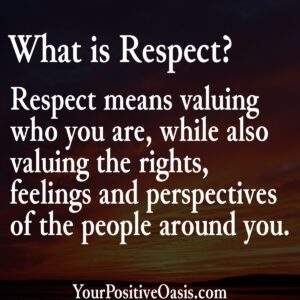
Respect means valuing who you are, while also valuing the rights, feelings, and perspectives of the people around you.
Respect is composed of two elements:
1. How you feel about someone (or yourself)
This includes appreciation, positive regard and a sense of value.
2. How you treat them with your behavior
This shows up in how you speak, listen, and act.
You cannot truly have respect with only one of these.
Good intentions without caring actions feel hollow; Polite actions without real regard feel false or insincere.
Why is it Important?
Respect is more than just being polite, it is the foundation for emotional safety and connection. When respect is present, relationships grow; when it is missing, tension and resentment can take over.
Respect is the foundation for:
Healthy Relationships
Without respect, communication breaks down and resentment can grow.
Self-Esteem
When you respect yourself, you make decisions that protect your well-being.
Trust and Safety
Respect tells others: You are safe with me. Your voice matters.
Conflict Resolution
Respect helps you to disagree without destroying a relationship.
Community and Connection
Respect lets diverse people coexist, even when their beliefs differ.
When respect collapses, everything built on it becomes shaky too.
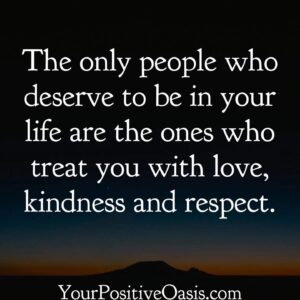
What Respect Looks Like: Real Examples
Examples can make abstract concepts easier to understand and apply. These everyday moments show how powerful small acts of respect can be.
Example 1: Respect in Conversation
You are explaining something personal.
The other person puts their phone down, maintains eye contact, and listens until you finish.
That is respect!
Example 2: Respect at Work
You make a mistake.
Your colleague offers feedback without shaming you or raising their voice.
That is respect!
Example 3: Self-respect
You are overwhelmed and someone asks you for a favor.
You say, “I would love to help, but I’m at my limit today.”
That is respect, for yourself!
The Different Types of Respect
Respect shows up in many areas of life, and understanding these different types of respect can help you to practice it more intentionally.
Each type of respect plays a unique and important role in building healthier relationships with yourself, others and the world around you.
1. Respect for Others
Treating people with dignity, kindness, and fairness.
This includes:
• Listening without interrupting
• Speaking kindly and honestly
• Letting people make their own choices
• Being considerate of others’ time and boundaries
2. Self-Respect
Knowing your worth and protecting your emotional, physical, and mental space.
This includes:
• Setting boundaries
• Keeping promises to yourself
• Saying no without guilt
• Making choices aligned with your values
3. Respect for Differences
Valuing the diversity of thoughts, cultures, backgrounds, identities, and beliefs.
This includes:
• Seeking to understand rather than judge
• Asking open-ended questions
• Being willing to learn
4. Respect for the Environment and Community
Taking care of shared spaces and contributing to the greater good.
This includes:
• Cleaning up after yourself
• Being mindful of noise or disruption
• Protecting natural or communal resources
Common Signs of Disrespect
Understanding disrespect helps you to protect your boundaries and avoid unhealthy dynamics. Many signs of disrespect are subtle, but they can chip away at trust over time.
Disrespect can show up as:
• Interrupting or talking over others
• Dismissing someone’s feelings
• Mocking or belittling
• Ignoring boundaries
• Using someone for convenience
• Ghosting or withholding communication
• Controlling behavior
• Breaking promises repeatedly
Most disrespect isn’t dramatic, it can also be very subtle.
It can erode trust one small act at a time. Almost like death by a thousand cuts.
How to Show Respect to Others: 10 Actionable Ways
Respect is not just a feeling, it is a practice that you have to demonstrate consistently. The simple behaviors below can transform the way that you connect with people.
1. Listen more than you speak
Active listening is one of the highest forms of respect.
2. Practice Online Respect
Always maintain a respectful tone online, avoid bullying, respect privacy, and think before sharing content.
3. Give people your full attention
Phone away. Eyes up. Presence is respect.
4. Use kind and honest communication
Say what you mean, without being nasty or cruel.
5. Keep your promises
Reliability = respect.
6. Ask before assuming
“What works best for you?” is a powerful question.
7. Apologize when necessary
Accountability builds trust, not weakness.
8. Respect time
Be punctual, or communicate if you are running late.
9. Honor boundaries
If someone says “no,” accept it without pressure or guilt-tripping.
10. Give people the benefit of the doubt
Assume positive intent unless proven otherwise.
How to Build More Self-Respect
Self-respect is the foundation of every healthy decision that you make. When you treat yourself with dignity, you set the tone for how others will treat you too.
1. Know your values
What matters most to you?
Live according to that, not other people’s expectations.
2. Stop tolerating mistreatment
You teach others how to treat you, by how you treat yourself.
3. Set and maintain boundaries
Boundaries are not punishments; they are protections.
4. Speak kindly to yourself
Your inner conversation about yourself, sets the tone for everything else.
5. Follow through on your commitments
When you keep promises to yourself, your confidence will grow.
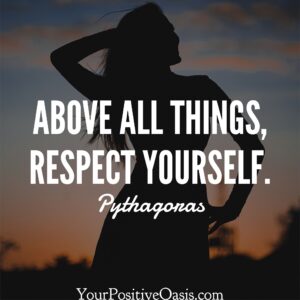
Respect in Tough Situations: How to Handle Disagreement
Respect becomes even more important when emotions run high. Handling conflict well doesn’t mean avoiding it altogether, it means approaching it with empathy and integrity.
Respect doesn’t mean agreeing with everything. It means disagreeing without dehumanizing.
Try this approach:
• State your perspective calmly
• Listen to the other person fully
• Look for shared values
• Focus on the issue, not the person
• If needed, agree to disagree and step away
You can say:
“I see this differently, but I still care about our relationship.”
That is respect during conflict.
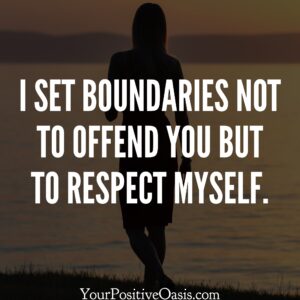
Final Thoughts: Respect Begins With Awareness
Respect is not complicated, but it is intentional.
It is built moment by moment, through the choices and actions that honor both yourself and others. When you show respect, you create connection; when you receive it, you feel seen and valued.
The more self-respect that you give and receive, the stronger and healthier your relationships will become.
Everyone deserves to feel valued.
And every day, you have the opportunity to make someone feel seen, heard, and respected, this includes yourself.
Damien Thomas is the founder of Your Positive Oasis, a personal growth website dedicated to sharing uplifting and inspirational quotes. Since 2016, he has helped readers to develop a more positive mindset, boost their self-belief and stay motivated through encouraging content. In recognition of his work, Damien has won the Best Health and Well-Being Blog Award. Drawing on over 30 years of personal development experience, Damien’s mission is to inspire people to live each day with greater purpose, confidence, and happiness.


100 Inspirational Quotes That Have Inspired Millions

100 Short Quotes That Will Inspire You

60 Motivational Morning Quotes for Daily Inspiration

60 Law Of Attraction Quotes That Will Inspire You

Best Happiness Quotes That Will Boost Your Mood

50 Inspiring Mottos To Live By!

50 Highly Motivational Brian Tracy Quotes

50 Jocko Willink Quotes That Will Totally Inspire You
60 Motivational Morning Quotes for Daily Inspiration

25 Positive Image Quotes That Will Brighten Your Day

50 Inspirational And Uplifting Joyce Meyer Quotes

50 Positive Quotes To Brighten Your Day
100 Inspirational Quotes That Have Inspired Millions

20 Carl Jung Quotes That Will Make You Think

40 Wonderful Motivational Quotes To Live By!
